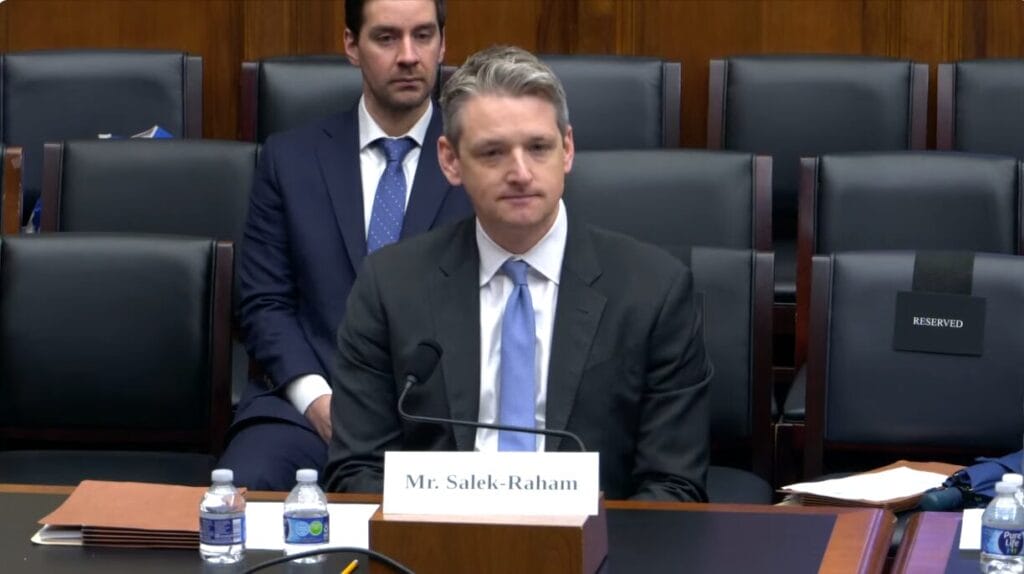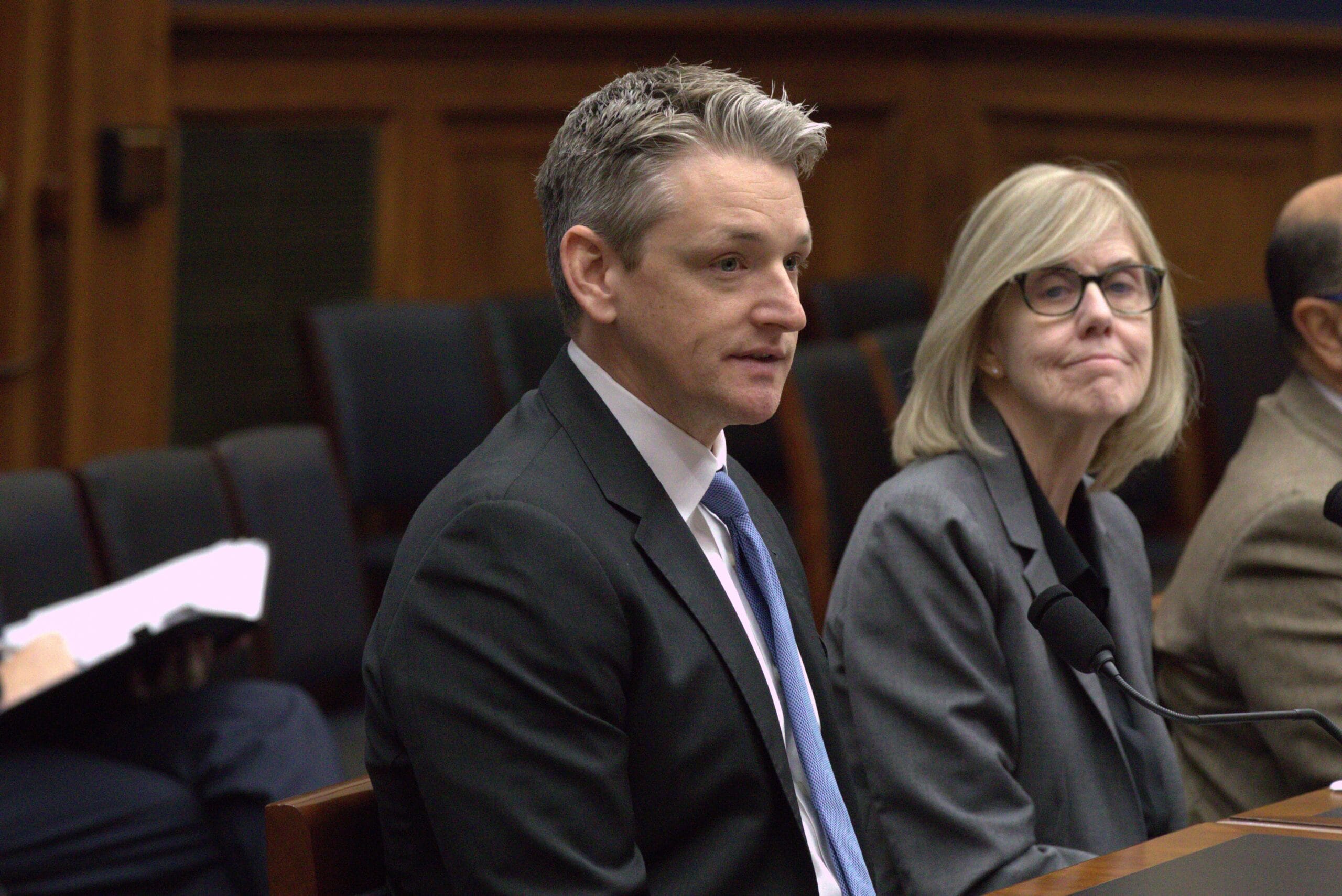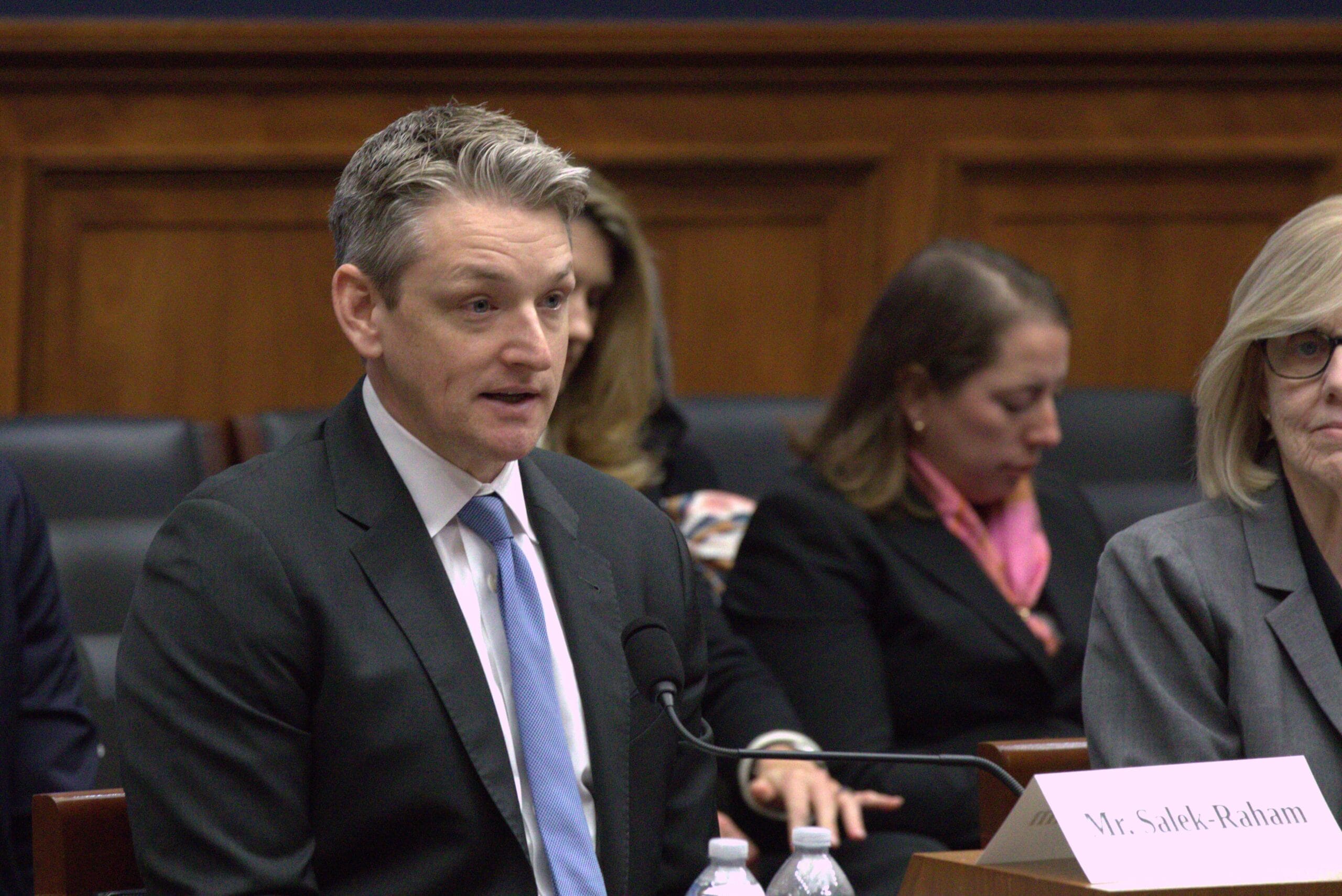
Groom principal and Litigation Group Practice Leader, Andrew Salek-Raham, testified before the House Subcommittee on Health, Employment, Labor, and Pensions on December 2, 2025 during the hearing, “Pension Predators: Stopping Class Action Abuse Against Workers’ Retirement.” The hearing focused on issues with ERISA litigation intended to prevent ERISA-covered plan sponsors, participants, fiduciaries, and service providers from meritless class action lawsuits.
In his testimony, Salek-Raham described that, in many courts, a low pleading bar has incentivized a tidal wave of meritless, cookie-cutter class action lawsuits involving 401(k) and employee stock ownership plans, or ESOPs—a problem that will be exacerbated by the Supreme Court’s recent ruling in Cunningham v. Cornell. Salek-Raham discussed recommendations aimed at recalibrating the pleading standard to weed out frivolous lawsuits while allowing meritorious ones to proceed. He specifically highlighted that allowing too many meritless suits to proceed stifles innovation and puts employee benefits—including the continued expansion of employee ownership via ESOPs—at risk.
“Fiduciaries operate in challenging, complex environments, presented with ever-changing facts and circumstances that require innovation and creative solutions so that participants obtain the best benefits. Fiduciaries who are seeking to innovate are threatened with meritless, frivolous lawsuits in the same way that fiduciaries engaging in the more mundane aspects of plan administration are threatened,” said Salek-Raham. “This litigation is a powerful disincentive to fiduciaries wanting to make innovative choices and come up with creative solutions.”
On the topic of ESOPs, Salek-Raham noted, “The risk that tolerating costly meritless lawsuits will lead to less lucrative benefits or to no benefits at all for American workers is not academic. For example, it’s happened in the ESOP space where certain courts have long held that a plaintiff alleges a statutory breach by claiming that an ESOP did what it was designed for, simply purchasing employer stock. Companies who wish to establish ESOPs regularly cite litigation risk as a reason they have not done so. [A]nd those that have established ESOPs bear skyrocketing fiduciary insurance costs, costs that are ultimately borne by their employee owners in acquiescing to a low pleading bar.”
To view the hearing, click here.
To read Andrew Salek-Raham’s written testimony, click here.